The proliferation of tiny bags in 2019
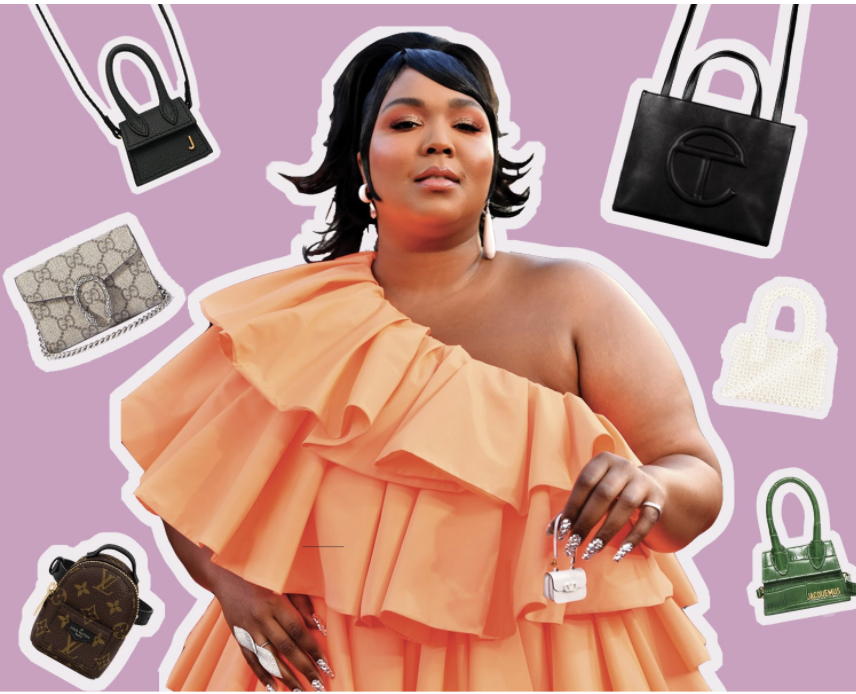
There’s only one month left in the 2019 and the tiny bag trend doesn’t seem to be going anywhere just yet. Over the last few runway seasons tiny bags have taken over runways from fashion powerhouses like Louis Vuitton to fresh faces like Jacquemus. If you thought the trend was dying, Lizzo’s American Music Awards red-carpet look from November said different. Dressed up in full Valentino, the singer sported a cream-orange dress adorned with exaggerated ruffles while holding onto a two inch micro-purse by the tips of her rhine-stoned acrylics. As the year comes to a close, the question of “Why?” still lingers.
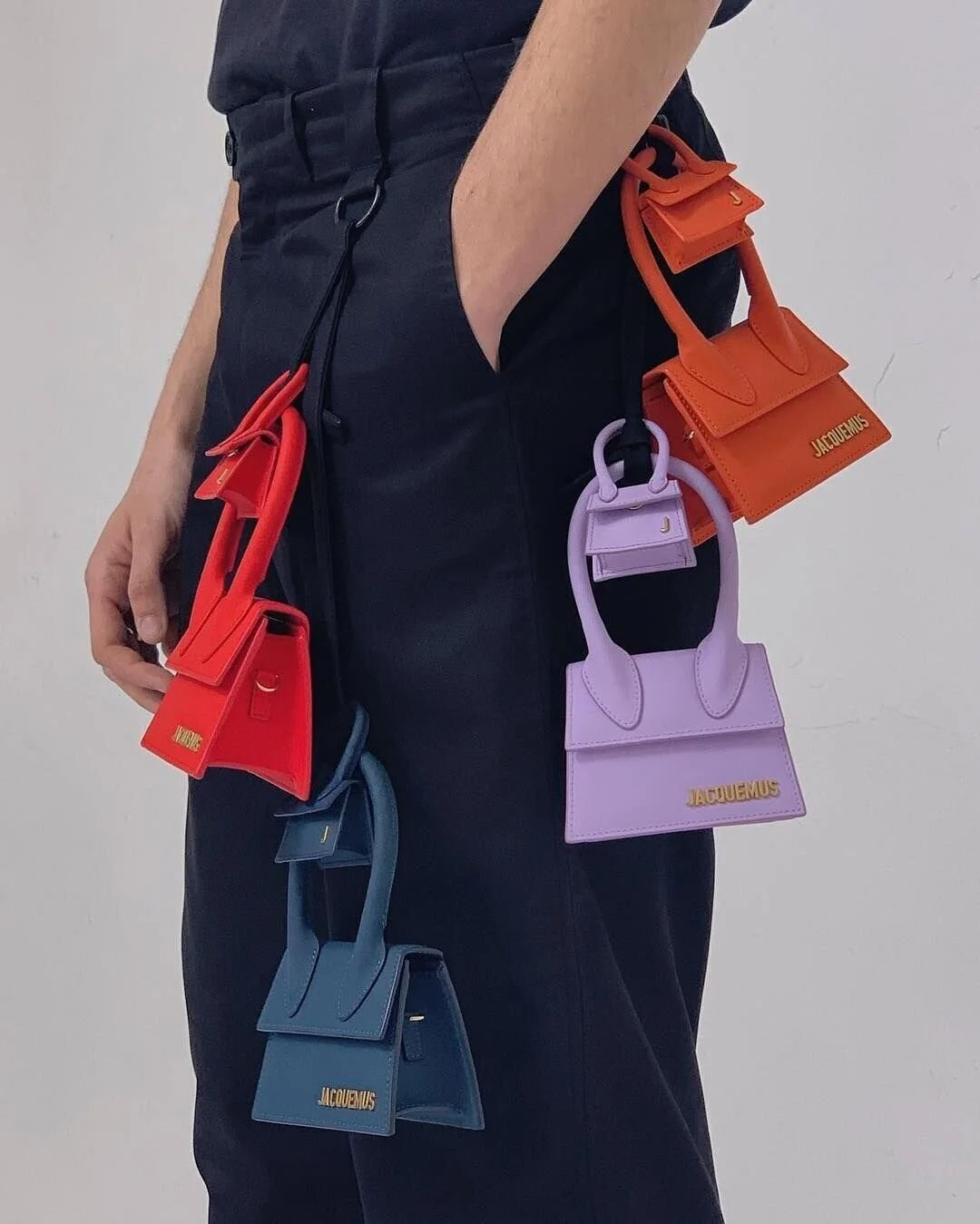
Though tiny bags have a long history in fashion, it’s more recent return seems to be comically tinier. It can be argued that French designer, Jacquemus kicked off the trend with the release of the “Le Chiquiti” purse in 2018. Since then most mainstream luxury design houses have followed suit, releasing their own interpretations of the micro-purse. More recently, Louis Vuitton released their own three inch wrist bags that resemble fanny packs and backpacks for their Spring Summer 2020 collection.
If you find it ridiculous, you’re not wrong. The most that Jacquemus’s smallest bag can fit is about one dollar of loose change. Though there’s an obvious element of playful frivolousness, there’s also reasons that micro-purses make sense in 2019.
The tiny bag trend is perfectly logical when the recent growth of pockets in both size and quantity for is considered. Over the last few years the popularity of utility-wear and tactical gear have decreased the need to carry around bags because there’s practically a pocket for everything when you’re wearing carpenter pants or a fisherman’s vest. This is a development that is driven by both style and convenience. Another development that justifies ridiculously small bags is that we simply carry less around with us. Wallet apps and electronic payment apps like Cashapp and Venmo have eliminated the necessity of carrying around a chunky wallet. In a way, we carry most of our lives on our phones nowadays. With all logical justifications considered, the psychological appeal of tiny bags might make the most sense.
Looking deeper into it, there’s a nostalgic appeal to tiny bags. Perhaps it reminds us of when we were kids and things were much simpler and literally smaller. If you take a look around, childhood references, especially for Millennials and Gen Z are taking over pop culture. In November, Disney launched their Disney Plus streaming platform making a huge chunk of the movies and series that many emerging adults grew up on available for rediscovery. Around the same time, Netflix announced a deal with Nickelodeon and made the 2010 show Victorious available for streaming, reviving memes and references to the program. In 2018, British pop singer, Charli XCX released a song called 1999 which encompassed the current appeal of nostalgia with a hook chanting “I just wanna go back, back to 1999”. The song is packed full of pop culture references from the early 2000s and repeatedly expresses a longing for simpler times.
Though nostalgia has always had an appeal and will always have an appeal, the current environment we live in makes it even more valuable. Turbulent political and social climates combined with uncertainties about the future can make the current reality hard to swallow. Tiny bags bring us back to the days when we had less baggage. Times have been heavy and tiny bags have both the literal and sentimental lightness that people long for.