the problem of Fast activism
Via: Pew Research Center
In 2020 activism has never been more accessible, but it has also never been easier. If you want to endorse an opinion, all it takes is one tap to add it to your Instagram story. Since the resurgence of the Black Lives Matter protests following the murder of George Floyd by white officer, Derick Chauvin an influx of aesthetically pleasing infographics on how to be anti-racist, how to talk to your family about racism, what defunding the police means, history lessons on white supremacy, and more has filled up everybody’s Instagram stories. If you want to be a better ally then just follow these Black activists. If you want to sign a petition, Change.org prefills you personal info from past petitions and even presents you with an endless stream of petitions that you can sign with one click. This is what I like to call fast activism.
Of course, the widespread dissemination of information of these topics is great. These ideas are reaching new people and the use of language that was previously seen as radical such as abolitionism have become more commonplace. There is no doubt that the ease of information sharing has allowed the movement to progress.
With that being said it is important to stop and ask the question of if the work necessary for activism is being removed. Everything has been made easier by our culture. If I need a ride it takes 10 minutes or less for an Uber to show up at my driveway. If I want to buy something Amazon can get it to my doorstep on the same day. If I’m hungry DoorDash can remove the need for me to get up and drive to a restaurant. If I need groceries Instacart will pick up my groceries for me. You get the idea. Our lives have increasingly been optimized by different services that cut the corners for us.
Optimization does not come without sacrifice. Let’s take a look at fast food and fast fashion both of which arose during the 20th century. Fast fashion brands such as H&M and Forever 21 offer trendy clothes for artificially low price points. The true cost of the clothing falls on the exploitation of off-shore labor. The only way a T-shirt can be sold for $10 is if the laborers get paid less than living wages in poor conditions. Not only do workers get paid little, but materials are cheaper and often processed in environmentally harmful ways.
The labor of activism falls on those content creators, protesters, thinkers, and who are often Black folks. Conversely to the progress that social media has brought to social movements it also removes the work that we should be doing ourselves. When you mindlessly repost information and teachings from Black revolutionaries you are exploiting their work for your benefit, so that you look woke. Progress is not made with the ease of the same tap of the screen that it takes to call an Uber or order on Amazon. Dismantling white supremacy is not that easy. Progress is work. Activism is work. Being anti-racist is work. And it is not something that is done from the comfort of your phone.
Infographics can be a great starting point, but the issues at hand such as prison abolition, policing, white supremacy, anti-blackness, etc. cannot be encompassed by a 4 slide infographic. Let it be a gateway to your own reading, learning, and demonstrating. Do the time. If you are solely relying on the labor of Black people to teach you how to be an ally, compensate them. If you don't have the means to compensate then do the work yourself.
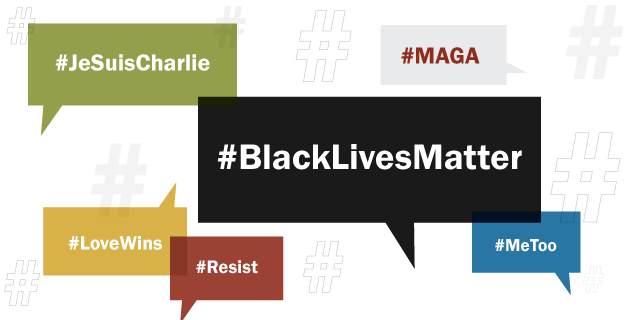
Not only does fast activism cut corners and exploit people in the same way that fast food and fast fashion do, it also creates noise that dilutes the real issues. In recent week’s Breonna Taylor’s murder by white police has been turned in meme’s calling for the arrest of the officers involved. The pairing of such serious matters like public lynchings with meaningless internet humor references dilutes the intention of the post. Another example is Blackout Tuesday where hundreds of thousands of black squares were posted on Instagram in solidarity with the Black Lives Matter movement. What this ended up doing was burying vital resources and information needed for organizing. Additionally the ease of posting the black square and using the hashtags speaks further to the sacrifice of the true work progress requires.
What we are seeing is the commodification of identity. We can wear our beliefs on our profiles and call it a day. The content we repost on our stories become like political and pop culture buttons on book bags or bumper stickers on a prius, speaking our beliefs for us without much effort at all.
What we need to recognize is that the systems of white supremacy that we are fighting now gave way to this culture of optimization. If we truly want to dismantle white supremacy we cannot operate within the same corner cutting and exploitative framework that gave way to it.